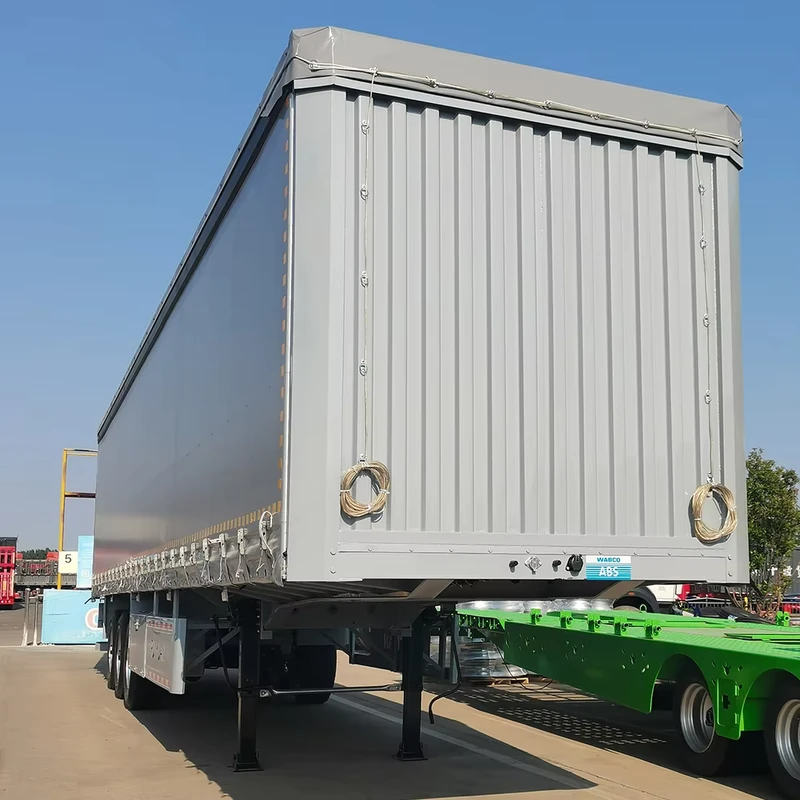

Compare skeleton container trailers and detachable gooseneck lowbeds by payload, axle layout, suspension and cargo needs before requesting a quote.
Choosing a semi trailer for international transport starts with the cargo, not the catalogue title. Container operators, machinery dealers and project logistics teams need to confirm load type, payload, route conditions and loading method before comparing specifications. This approach helps buyers avoid paying for capacity they do not use or selecting a trailer that cannot support the intended cargo.
Match the trailer structure to the load
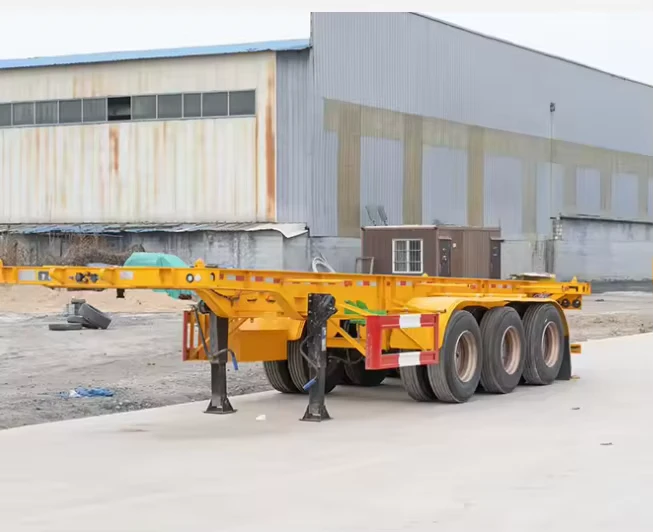
For standard 20-foot and 40-foot containers, a skeleton or flatbed semi trailer offers a practical platform with straightforward container handling. The 3-axle container trailer is designed for heavy-duty transportation, with a stated maximum payload of up to 60 tons, steel construction and options for mechanical spring or air suspension. Tire sizes, color and other details can be discussed according to operating requirements.
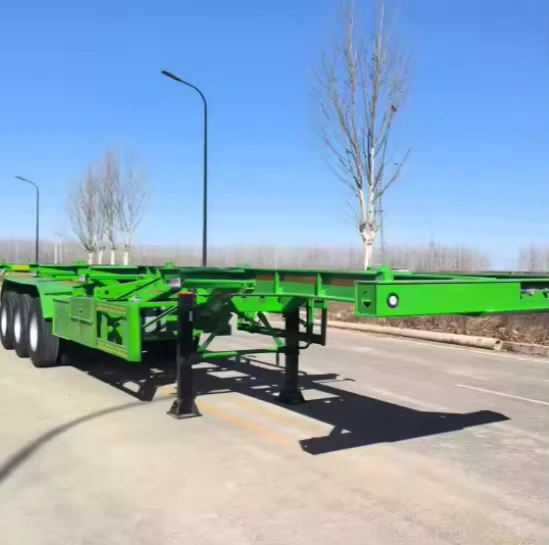
Container fleets with different chassis requirements may prefer the 40-foot skeleton trailer. Its configuration supports 20-foot and 40-foot containers, with 2-, 3- or 4-axle layouts and a maximum payload listed at 60 tons. This gives importers and distributors more flexibility when planning a mixed fleet, particularly where axle selection must reflect local road limits and cargo distribution.
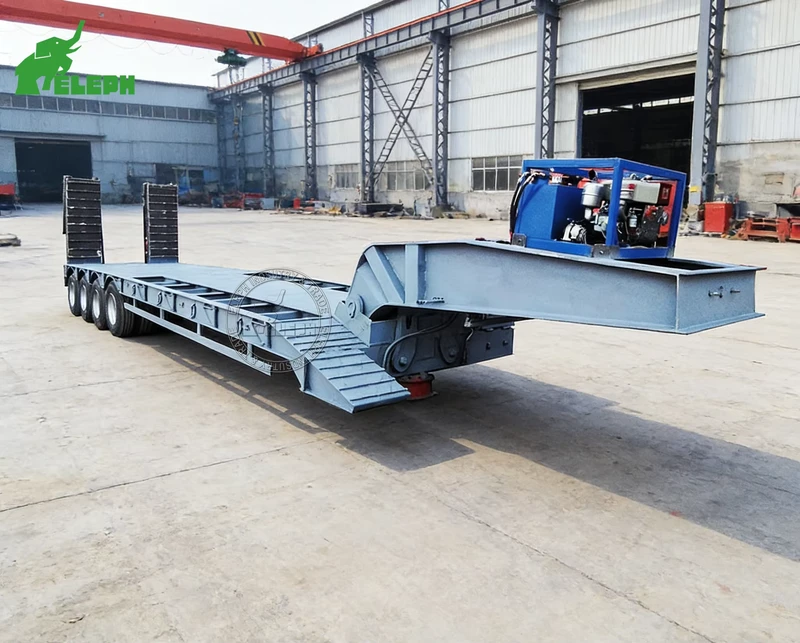
Heavy excavators, wheel loaders, cranes and similar machinery require a different solution. A detachable gooseneck lowboy places the deck closer to the road and supports easier equipment loading than a conventional container platform. The detachable gooseneck lowbed is available with heavy-duty mechanical or air suspension, customizable dimensions, and 2 to 15 axles. Its stated payload range extends from 20 to 300 tons, subject to the selected configuration.
Prepare a clearer trailer inquiry
When requesting a quotation, provide the target payload, container length or machine dimensions, preferred axle count, suspension type, tire requirements and destination market. Also clarify whether the trailer will serve seaport transfers, inland logistics, construction sites or a combination of uses. With these details, a manufacturer can recommend a more suitable configuration and identify practical customization options. Contact the supply team to discuss your application, target quantity and delivery requirements.