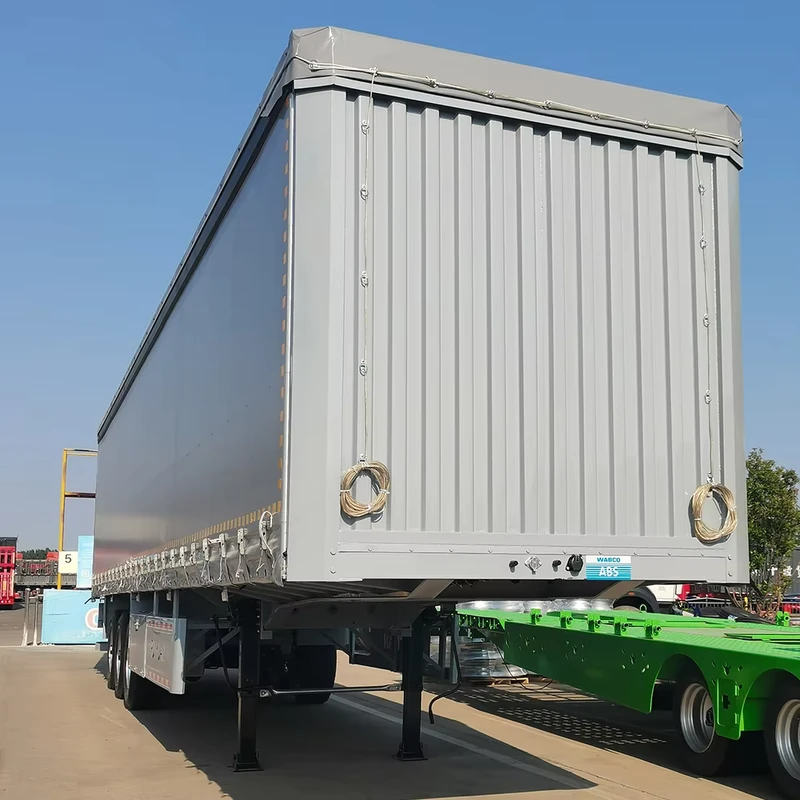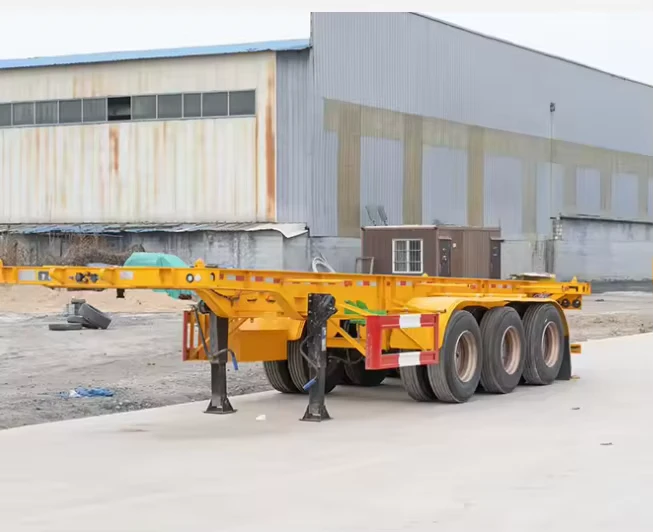

Compare skeleton and flatbed container trailers with a diesel tractor truck to plan payload, axle, suspension, and route requirements.
Container transport equipment should be selected as a working system, not as separate units. Importers and fleet buyers need to align container size, legal axle loads, road conditions, tractor capacity, and maintenance resources before ordering. The right configuration can support efficient port transfers, highway logistics, and inland container delivery without adding unnecessary weight or complexity.
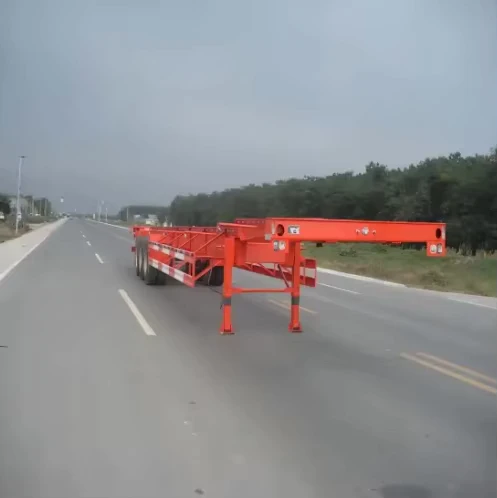
Choose the Trailer Around the Cargo
For dedicated container movement, the skeleton chassis offers 20-foot and 40-foot container compatibility, a maximum payload of 60 tonnes, and 2-, 3-, or 4-axle configurations. Mechanical spring and air suspension options allow the specification to be adapted to operating conditions, while tire selection and color can be discussed for different markets.
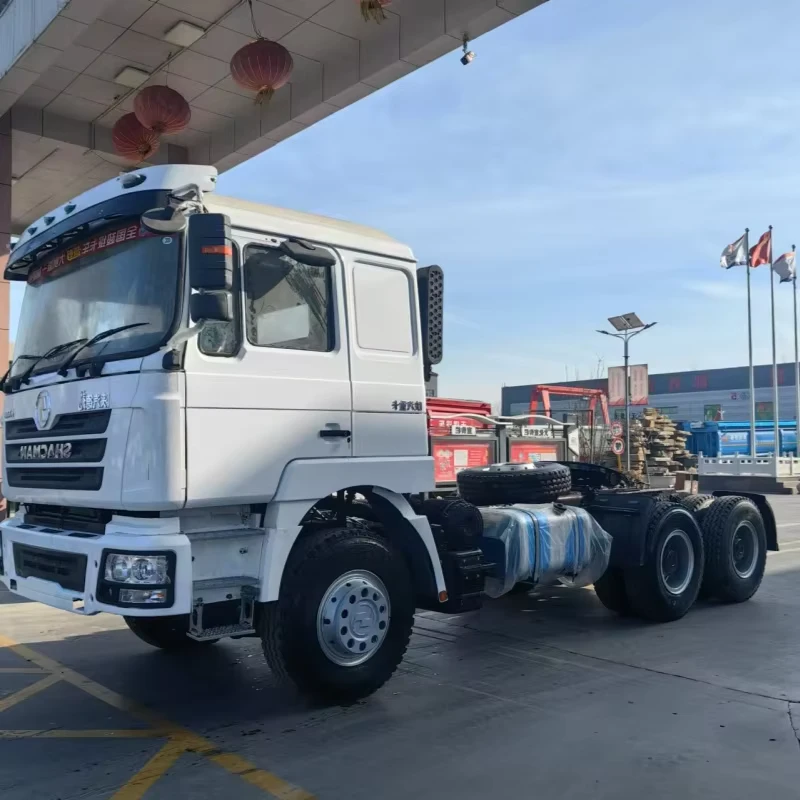
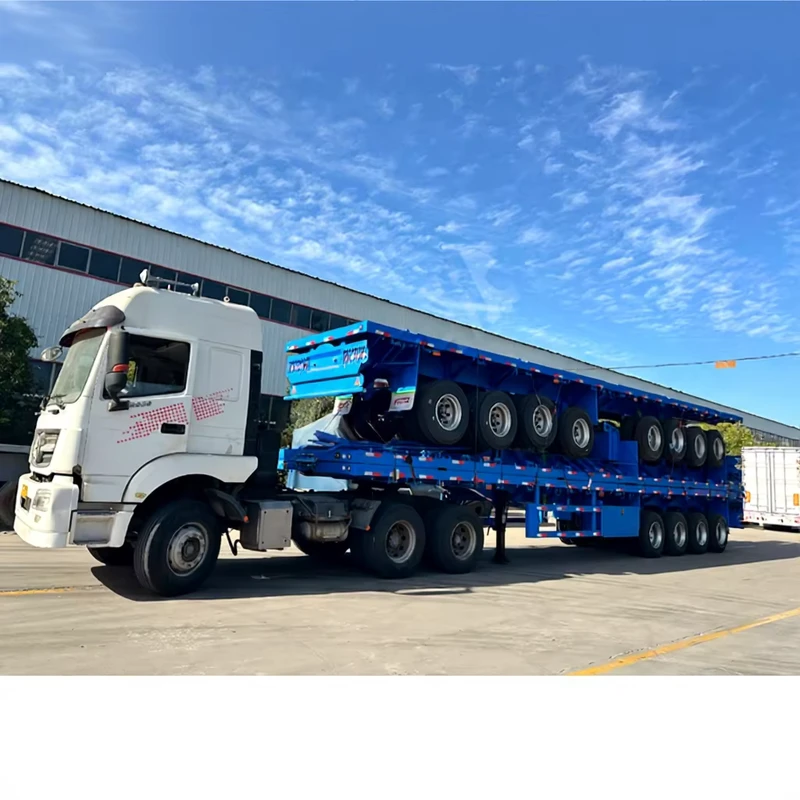
Buyers who need a more versatile loading platform can consider the four-axle flatbed. Its carbon steel structure is designed for 20-foot and 40-foot containers and a payload above 30 tonnes. Mechanical or air suspension, 12R22.5 tires, a 28-ton landing gear, and 2-inch or 3.5-inch kingpin choices provide useful configuration flexibility.
Match the Tractor to Long-Distance Work
The trailer must also suit the pulling vehicle. The available diesel tractor truck is positioned for highway and long-distance logistics, with new or used options, automatic transmission, a 750-liter fuel tank, and maximum torque of at least 2,300 Nm. Its stated payload range is 40,000 to 80,000 kg, subject to the selected configuration and local regulations.
Before purchasing, confirm gross vehicle limits, axle distribution, coupling dimensions, suspension preference, tire standards, and spare-parts requirements. Explore more truck trailer options, then send your destination market, cargo profile, and expected routes to discuss a suitable tractor-trailer package and quotation.